
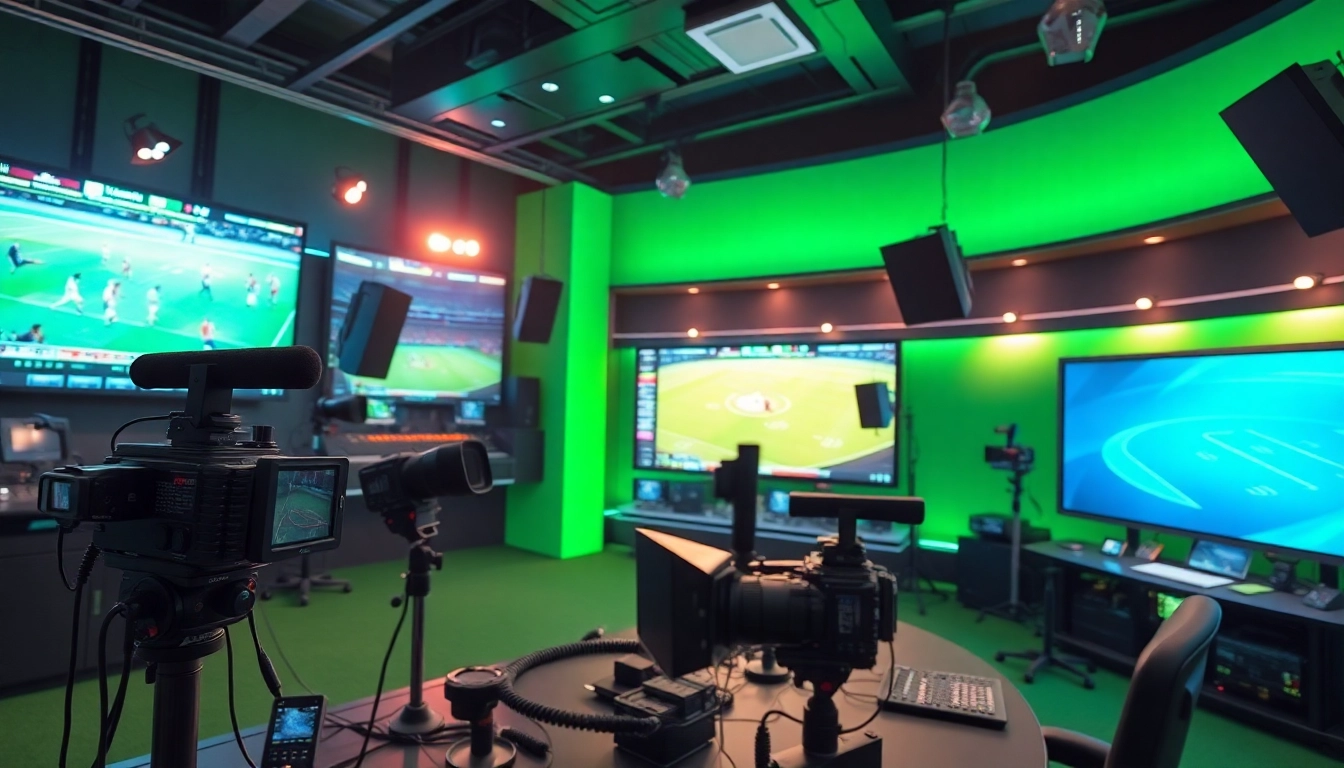
Understanding Sports Broadcasting
Definition and Importance of Sports Broadcasting
Sports broadcasting refers to the distribution of sports-related content through various media platforms. This encompasses television, radio, and digital streaming services, bringing live sports events, commentary, analysis, and features to audiences worldwide. The significance of Sports Broadcasting cannot be overstated; it fosters community spirit, promotes sportsmanship, and supports athletes by providing them with visibility. Beyond entertainment, it generates significant revenue through advertising, sponsorships, and subscription fees, making it a vital element of the sports industry.
Types of Sports Broadcasting Platforms
Sports broadcasting is facilitated through numerous platforms, each catering to different audience preferences. Major types include:
- Television Broadcasts: The traditional method of delivering sports content. Networks have dedicated sports channels and specific time slots for sports events.
- Radio Broadcasting: Provides live play-by-play commentary, especially valuable in regions where visual broadcasting may lag.
- Online Streaming: Platforms like OTT services (Over-the-Top) allow fans to watch games on-demand and live. This also includes social media platforms which have begun broadcasting events.
- Mobile Apps: Many broadcasters create dedicated apps where fans can stream games live, receive notifications, and access highlights.
Historical Evolution of Sports Broadcasting
The journey of sports broadcasting began in the early 20th century with radio broadcasts. The 1936 Berlin Olympics marked the first televised Olympic Games, which laid the groundwork for future developments. The subsequent introduction of color television brought sports events to life, enhancing viewer engagement. The digital age further revolutionized the landscape, with the advent of the internet enabling live-streaming capabilities and interactive experiences. As technology continues to advance, the evolution of sports broadcasting exemplifies the marriage of technology and entertainment.
Key Technologies in Sports Broadcasting
Broadcasting Equipment Essentials
Successful sports broadcasting relies on a range of specialized equipment. Key essentials include:
- Cameras: High-definition cameras are crucial for capturing clear, dynamic footage from multiple angles, often using robotic systems for enhanced versatility.
- Audio Equipment: Quality microphones and sound systems are vital for delivering clear commentary and on-field sounds, greatly enhancing the viewer’s experience.
- Video Production Units: These are used for live production, allowing for seamless transitions between different camera feeds and graphics.
- Transmission Equipment: Satellite links, broadband connections, and encoders ensure that broadcasts reach viewers with minimal delay.
Live Streaming Technologies
As audiences increasingly prefer on-demand viewing, live streaming technologies have changed sports broadcasting dynamics. Key technologies include:
- Adaptive Bitrate Streaming: This technology adjusts video quality in real-time based on the viewer's internet connection, ensuring optimal playback experience.
- Content Delivery Networks (CDN): CDNs distribute content globally, reducing buffering times and providing a smooth viewing experience regardless of location.
- Cloud-Based Solutions: Cloud technology allows broadcasters to store and process data remotely, enabling scalability and flexibility in broadcasting operations.
Role of Graphics and Analytics
Modern sports broadcasting incorporates advanced graphics and analytics to enrich content. This includes real-time statistics, player tracking, and augmented reality displays that enhance storytelling during broadcasts. Such innovations not only engage viewers but also provide crucial insights into performance and strategies, transforming how fans and analysts understand the game. The integration of these technologies requires skilled personnel who can use data to create immersive viewing experiences.
Sports Broadcasting Content Creation
Developing Game Commentary
Game commentary is a fundamental aspect of sports broadcasting. Effective commentators balance detailed analysis with engaging storytelling. To develop compelling commentary, broadcasters must:
- Research: In-depth knowledge of teams, players, and previous encounters enhances the depth of commentary.
- Practice: Commentary skills improve with experience. Practicing speaking clearly and vividly can create a more dynamic atmosphere.
- Engage Viewers: Tailoring the narrative to reflect audience interests keeps viewers engaged throughout the event.
Interviews and Expert Opinions
Interviews and expert opinions provide valuable context and analysis. Broadcasters should focus on:
- Preparation: Prior research on interview subjects allows for more informed and insightful questions.
- Authenticity: Genuine conversation makes interviews more relatable, enhancing viewer connection.
- Diverse Perspectives: Including voices from coaches, players, and analysts enriches content depth.
Creating Engaging Highlights
Highlight reels capture the essence of sporting events, drawing in viewers and providing essential moments. Effective highlight creation involves:
- Timeliness: Quick turnaround on highlights ensures viewers see significant plays shortly after they occur.
- Quality Editing: Engaging visuals, sound, and storytelling enhance the appeal of highlight packages.
- Highlighting Key Moments: Focus on pivotal events, such as game-changing plays, to maintain audience interest.
Legal and Ethical Considerations in Sports Broadcasting
Understanding Copyright Issues
Copyright laws play a critical role in protecting the intellectual property of sports organizations and broadcasters. Key considerations include:
- Licensing Agreements: Broadcasters must secure rights for events to avoid legal repercussions.
- Content Ownership: Contracts should clearly define ownership of footage and other media to prevent disputes.
- Fair Use Policies: Understanding fair use can help broadcasters incorporate highlights or clips legally.
Ethical Dilemmas in Reporting
Sports reporters often face ethical dilemmas that can impact their integrity. Areas to consider include:
- Bias: Ensuring impartial reporting is vital, as favoritism can skew public perception.
- Privacy: Respecting the privacy of athletes and their families is crucial when reporting sensitive information.
- Accuracy: Providing correct information prevents misinformation that can harm reputations.
Regulatory Compliance
Broadcasters must adhere to regulatory guidelines that govern content delivery. Compliance entails:
- Adhering to Broadcasting Standards: Regulations set by national and international authorities ensure fair and equitable broadcasting.
- Content Rating Systems: Implementing age restrictions and content warnings maintains ethical broadcasting.
- Accessibility: Providing closed captions and alternative formats ensures inclusivity for all viewers.
Future Trends in Sports Broadcasting
Impact of Artificial Intelligence
Artificial Intelligence (AI) is poised to transform sports broadcasting by enhancing analytics, automating production processes, and personalizing viewer experiences. AI-driven data analysis allows for deeper insights into player performance while improving graphics rendering, leading to visually dynamic broadcasts. As AI integrates further into broadcasting, it will drive innovation and efficiency, thus setting new industry standards.
Emerging Technologies to Watch
Several emerging technologies will shape the future of sports broadcasting:
- Virtual Reality (VR) and Augmented Reality (AR): These technologies offer immersive viewing experiences that let fans feel as if they are part of the action.
- Blockchain: Enhances security and transparency in broadcasting rights contracts and payment processes.
- 5G Technology: The rollout of 5G promises faster speeds and more reliable streaming, enabling higher-quality broadcasts.
Fan Interaction in a Digital Age
The digital age has revolutionized fan interaction, fostering engagement through social media platforms and interactive broadcasting features. Technologies such as live polls, Q&A sessions, and social media integration allow broadcasters to create dynamic interactions that enhance viewer involvement. As expectations for personalized content grow, broadcasters that prioritize fan interaction will remain competitive.
Frequently Asked Questions
What is the main purpose of sports broadcasting?
The primary purpose is to deliver live sports events, commentary, and analysis to audiences, fostering engagement and enhancing the viewing experience.
How has technology changed sports broadcasting?
Technology has introduced streaming, real-time analytics, and interactive experiences, transforming how sports are consumed and presented.
What are the legal issues in sports broadcasting?
Legal issues include copyright, licensing agreements, and ensuring compliance with broadcasting standards and regulations associated with sports content.
How can broadcasters enhance viewer engagement?
Broadcasters can enhance engagement through interactive elements, high-quality graphics, and by providing insightful commentary and analyses.
What trends should we watch in sports broadcasting?
Key trends include AI integration, virtual and augmented reality, and increased fan interaction through digital platforms, enhancing the viewing experience.