
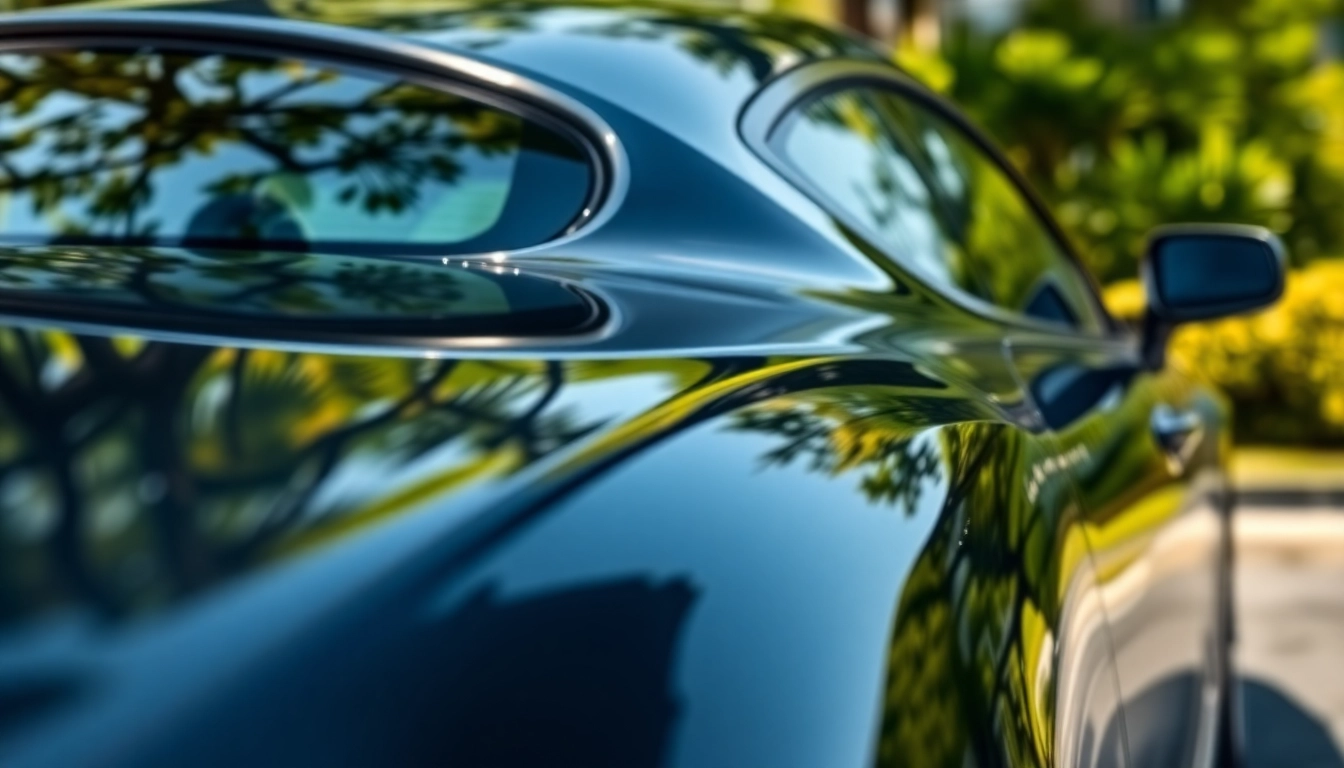
Understanding Paint Protection Film
What is Paint Protection Film?
Paint Protection Film (PPF) is a transparent, durable urethane film that is applied to the exterior surfaces of vehicles to protect the paint from damage. Originally developed for military applications, PPF has now found its place in the automotive industry as a premier solution for preserving the aesthetic appeal of vehicles. When searching for paint protection film near me, consumers find a diverse range of options that vary in thickness, finish, and features.
Benefits of Using Paint Protection Film
Paint Protection Film offers numerous advantages that make it an attractive choice for car enthusiasts and everyday drivers alike. Here are some key benefits:
- Scratch Resistance: PPF acts as a shield against scratches, dings, and minor abrasions that can occur during daily use and while driving.
- UV Protection: The film blocks harmful UV rays that can cause the paint to fade over time, ensuring the vehicle retains its vibrant look.
- Self-Healing Properties: Many modern PPFs have self-healing capabilities, meaning that minor scratches and swirl marks can dissipate with heat exposure.
- Enhanced Resale Value: By preserving the original paint, PPF can enhance a vehicle’s resale value by preventing deterioration.
- Easy Maintenance: PPF is designed to be low-maintenance, allowing for easy cleaning and protection against environmental contaminants.
How to Choose the Right Paint Protection Film
Selecting the appropriate Paint Protection Film requires careful consideration of several factors:
- Thickness: Films typically range from 6 mil to 12 mil in thickness. Thicker films provide more protection but may be less flexible.
- Finish: PPFs come in various finishes including glossy, matte, and even textured options, allowing customization based on personal preference.
- Warranty: Look for films with extended warranties that cover discoloration, peeling, and other potential issues.
- Brand Reputation: Choose reputable brands known for quality and installation support. Customer reviews can provide insight into performance and longevity.
Installation Process of Paint Protection Film
DIY vs Professional Installation
The installation of Paint Protection Film can be performed as a DIY project or by professionals. DIY installation can save money but requires skill, precision, and the right tools. Professional installers often have access to higher-quality materials and can provide warranties on their work.
Steps to Install Paint Protection Film
If you decide to proceed with a DIY installation, here are essential steps to guide you:
- Prepare the Surface: Thoroughly wash and dry the vehicle, ensuring all contaminants are removed for optimal adhesion.
- Cut the Film: Measure and cut the PPF according to the vehicle’s dimensions, allowing for some excess to trim later.
- Apply the Solution: Use a slip solution (usually a mixture of water and baby shampoo) to enable repositioning of the film during application.
- Position the Film: Align the film carefully, ensuring it covers the intended area while allowing room for adjustments.
- Squeegee Out Air Bubbles: Use a squeegee to push out air and water, ensuring a smooth finish with no bubbles.
- Trim the Excess: Carefully trim the edges for a clean look, ensuring not to cut into the paint.
Common Mistakes to Avoid During Installation
Here are some pitfalls to watch out for:
- Inadequate Surface Preparation: Failing to completely clean the surface can lead to poor adhesion.
- Incorrect Film Alignment: Always double-check the placement before squeegeeing, as misalignment may result in visible seams.
- Using Excessive Force: Being too aggressive with the squeegee can cause the film to stretch or peel.
- Neglecting Edges: Trimming too close to the edge can be risky. Leave a small margin for better anchoring.
Maintenance and Care for Paint Protection Film
Cleaning Guidelines for Longevity
To maintain the integrity and appearance of Paint Protection Film, follow these cleaning guidelines:
- Use Gentle Cleaners: Avoid harsh chemicals; instead, use mild automotive soap that is pH-balanced.
- Soft Cloths: Use microfiber towels to prevent scratches during cleaning.
- Regular Washing: Clean the film regularly to prevent dirt buildup, which can degrade the material over time.
How to Repair Minor Damage
Minor damages such as small scratches can often be repaired without a complete film replacement:
- Heat Treatment: For self-healing films, applying heat (using a heat gun or hot water) can often eliminate fine scratches.
- Patch Kits: Some manufacturers offer patch kits specifically designed for their films.
Signs It’s Time for Replacement
Pay attention to these indicators that might signal a need for PPF replacement:
- Severe Discoloration: Yellowing or fading indicates degradation of the film’s protective properties.
- Peeling Edges: If the edges begin to lift, it may be time for a replacement.
- Visible Damage: Cracks or extensive scratches that cannot be repaired may warrant replacing the film.
Cost Analysis of Paint Protection Film
Factors Influencing the Cost
The cost of Paint Protection Film installation can vary widely based on several factors:
- Type of Film: Premium films tend to be pricier due to their enhanced features.
- Installation Location: Costs may vary based on your geographic area and local market competition.
- Extent of Coverage: Full vehicle wraps typically cost more than partial installations.
Cost Comparison: DIY vs Professional
The financial implications of DIY versus professional installation can be significant:
- DIY: Materials may range from $200 to $600 without labor costs but consider the risks of subpar application.
- Professional: Hiring a professional can cost anywhere from $500 to over $2,000, factoring in labor and material quality.
Estimating Your Budget
To create an accurate budget, consider evaluating films, getting quotes from professionals, and factoring in potential upsells such as additional service packages for maintenance and care.
FAQs about Paint Protection Film
What is the lifespan of paint protection film?
Typically, paint protection film lasts between 5 to 10 years, depending on the quality and maintenance.
Will paint protection film affect my vehicle’s color?
No, high-quality film is designed to be nearly invisible and will not change your vehicle’s original color.
Can paint protection film be removed?
Yes, it can be safely removed without damaging the vehicle’s paint when done by a professional.
Is paint protection film worth the investment?
Yes, especially for high-end vehicles, it preserves the paint, enhances resale value, and minimizes scratches.
Can I wax my car after applying paint protection film?
Yes, but use a wax that is safe for vinyl and avoid abrasive washes to ensure the film’s longevity.
